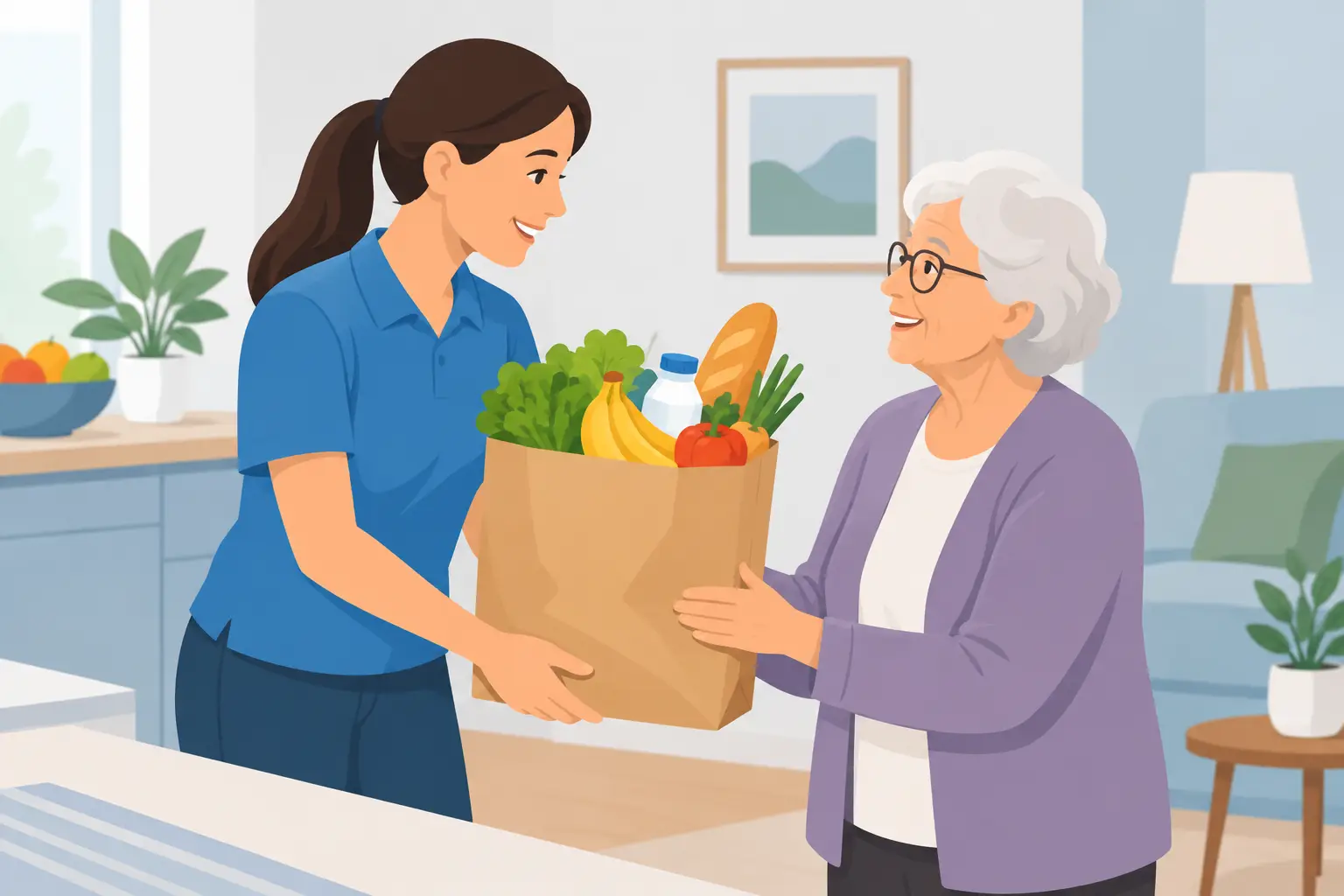
Grocery Shopping Assistance for Seniors at Home
A nearly empty refrigerator can become a quiet warning sign for families. A parent may still be managing well in many ways, yet lifting heavy bags, driving through busy traffic, or walking a large store can suddenly feel overwhelming. Grocery shopping assistance for seniors offers practical help with one of the most important parts of daily life: having nourishing food, household essentials, and familiar routines at home.
For older adults in Pinellas County, this support can mean the difference between skipping meals and enjoying food they like in the comfort of their own kitchen. For family caregivers, it can also bring welcome relief from trying to fit every errand into an already full schedule.
Why Grocery Shopping Can Become Difficult
Grocery shopping involves much more than choosing food. It may require making a list, checking what is already in the pantry, getting to the store, walking long aisles, reaching high or low shelves, carrying bags, unloading the car, and putting everything away safely.
After surgery, illness, a fall, or a change in mobility, these tasks can be tiring or unsafe. Arthritis can make it painful to grip bags or open containers. Vision changes can make labels and expiration dates harder to read. Some older adults no longer feel comfortable driving, especially in heavy rain, unfamiliar areas, or busy parking lots.
There is also the emotional side. A person who has always handled their own shopping may feel frustrated or embarrassed about needing help. The right support should protect independence rather than take it away. It should begin with listening: What foods do they enjoy? Which stores do they prefer? How often do they like to shop? Do they have dietary preferences, a budget, or favorite brands?
What Grocery Shopping Assistance for Seniors Can Include
Personalized grocery support looks different for every household. One person may need someone to accompany them through the store and help carry bags. Another may prefer to stay home while a trusted caregiver shops from a detailed list. Both approaches can support dignity and choice.
A homemaker or companion caregiver can help organize a shopping list based on meals planned for the week and items already on hand. They can run errands, pick up groceries, carry bags into the home, and put items away where they are easy to reach. This can include everyday needs such as paper goods, cleaning supplies, toiletries, and pet food, not only groceries.
Meal preparation can work alongside shopping support. When food is purchased with the week ahead in mind, it is easier to prepare simple, familiar meals and keep healthy options within reach. A caregiver might help wash produce, portion snacks, or prepare a meal after returning from the store, depending on the care plan.
This is non-medical help, not clinical nutrition care. If a loved one has a medically prescribed diet, food allergies, swallowing concerns, or changing health needs, families should provide clear instructions and consult the appropriate health professional when needed. A caregiver can follow the household's preferences and established guidance, while helping make the routine more manageable.
Signs It May Be Time for More Support
Families often notice small changes before there is a major problem. Perhaps there are expired items in the refrigerator, fewer groceries in the kitchen, or repeated comments that shopping has become exhausting. These changes do not always mean someone can no longer live independently. They may simply mean a little dependable help would make life safer and more comfortable.
Consider grocery assistance when a loved one is skipping meals because shopping feels difficult, relying heavily on convenience foods they do not enjoy, struggling to carry bags, or avoiding driving due to vision, mobility, or confidence concerns. It can also be especially helpful during recovery from a hospital stay, rehabilitation, or a temporary illness.
Social isolation is another consideration. A grocery trip may be one of the few outings an older adult has during the week. For someone who enjoys getting out, having a companion alongside them can make the visit feel less stressful and more enjoyable. For someone who prefers privacy at home, knowing the pantry will be stocked can provide the same reassurance without the strain of leaving the house.
Choosing the Right Type of Help
There is no single best arrangement. The right choice depends on a person's health, mobility, comfort level, and family support system.
Accompanied shopping is often a good fit for seniors who still enjoy choosing their own food but would feel safer with another person nearby. The caregiver can help navigate the store, reach items, manage the cart, and carry purchases. The older adult remains involved in decisions and maintains a valued routine.
Errand support may be better when leaving home is tiring, when transportation is limited, or when recovery makes lifting and walking difficult. In this arrangement, the caregiver can shop from a list and communicate about substitutions if an item is unavailable. Clear lists and a consistent caregiver can make this option feel personal rather than impersonal.
Some families combine both approaches. A loved one might shop in person once or twice a month for favorite items, then receive help with smaller weekly errands. This flexibility is especially useful when needs change from week to week.
How Families Can Make Shopping Support Work Well
A few simple details can make grocery help feel organized and comfortable from the first visit. Keep a running list in a familiar place, such as on the refrigerator or near the phone. Include preferred brands, sizes, and stores when those details matter. If there is a spending limit, coupon system, loyalty card, or payment preference, share that information clearly.
It also helps to talk about how groceries should be put away. Frequently used foods should be easy to reach, while heavier items can be stored lower down to reduce stretching and lifting. Checking expiration dates and keeping the refrigerator organized can help prevent waste and make meal planning easier.
Families should be realistic about what kind of help will be most useful. A delivery service may be convenient for a quick order, but it may not solve the challenge of carrying bags inside, putting food away, noticing an empty pantry, or providing companionship. On the other hand, delivery can be a helpful addition when a caregiver visit is not scheduled. The best plan is the one that fits the person's routines and provides reliable support without creating unnecessary disruption.
Personalized Help That Respects Home Routines
Home care should not feel like a stranger taking over the household. It should feel like dependable assistance built around the person receiving care. That is why a conversation about grocery support should include more than a list of errands. Families may want to discuss favorite meals, cultural foods, religious preferences, store choices, mobility concerns, kitchen layout, and the days when help would be most valuable.
At GeoJas Home Care Agency, grocery errands can be part of a heart-centered, individualized plan that also includes companionship, light housekeeping, meal preparation, prescription pickups, and transportation support. A free in-home visit gives families an opportunity to talk through daily routines and identify the support that would make the greatest difference.
Asking for help with groceries is not giving up independence. Often, it is a practical step that helps an older adult preserve it. With a stocked kitchen, familiar meals, and a caring person nearby when errands feel difficult, home can continue to be a place of comfort, choice, and everyday confidence.
Comments