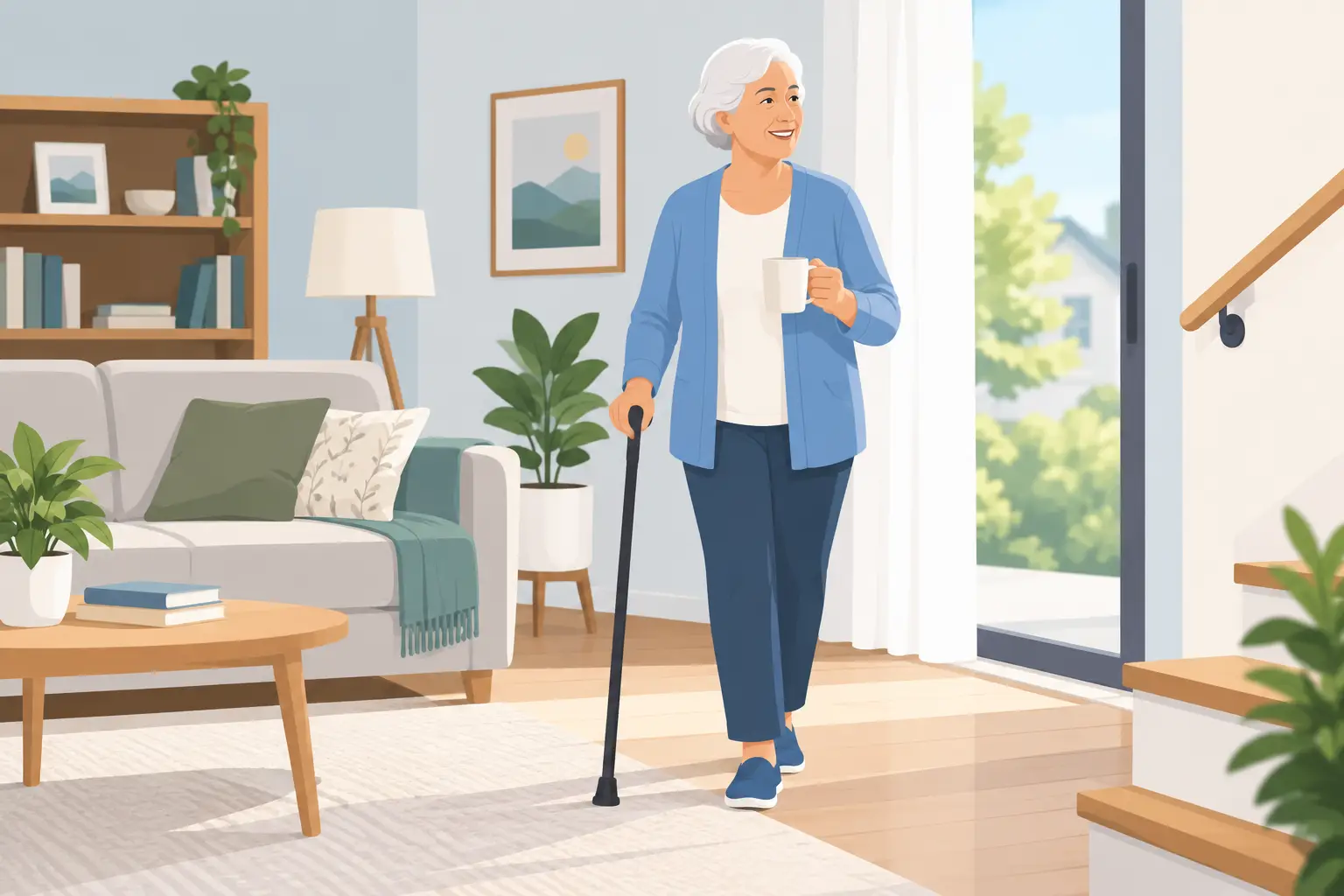
How Can Seniors Stay Independent at Home?
A missed grocery trip, an untouched pile of laundry, or a canceled doctor’s appointment can seem like small changes. For an older adult who wants to remain at home, though, these moments can slowly make daily life feel harder and less secure. When families ask, “how can seniors stay independent,” the answer is rarely about doing everything alone. It is about having the right support in place to keep familiar routines possible.
Independence can look different for every person. One senior may need a ride to an appointment and help carrying groceries inside. Another may benefit from regular meal preparation, light housekeeping, or a friendly companion who makes the day feel less lonely. Thoughtful, non-medical support can protect a person’s choices, comfort, and confidence while giving family members greater peace of mind.
How Can Seniors Stay Independent While Aging at Home?
Aging in place works best when help is introduced before everyday challenges become a crisis. Waiting until a fall, a missed medication pickup, or an empty refrigerator forces an urgent decision can leave everyone feeling overwhelmed. Starting with a small amount of help gives seniors time to get comfortable and keeps them involved in deciding what assistance feels right.
The goal is not to take over. It is to remove the tasks that have become tiring, difficult, or unsafe so that an older adult can spend more energy on the parts of life they value. That may mean continuing to cook a favorite family recipe with help chopping ingredients, attending a weekly card game with reliable transportation, or enjoying a tidy home without struggling with vacuuming and laundry.
For adult children, this approach can also change the family dynamic. Instead of every visit becoming a long list of chores, loved ones can spend more time talking, sharing meals, and simply being together.
Start With the Daily Routine
The most useful care plans begin with an honest look at an ordinary week. Consider mornings, meals, errands, household tasks, social time, and transportation. Which activities are still easy and enjoyable? Which ones take longer than they used to, create stress, or are being skipped?
A senior may be fully capable of choosing what to eat but find standing at the stove uncomfortable. They may enjoy keeping their home organized but have trouble reaching high shelves or carrying a laundry basket. Support should fit the person, not force the person into a standard schedule.
Make meals easier and more enjoyable
Good nutrition often becomes more difficult when shopping, meal planning, and cooking feel like too much work for one person. A companion caregiver can assist with grocery shopping, meal preparation, kitchen cleanup, and keeping simple favorites available at home.
This does not mean every meal needs to be elaborate. Sometimes independence is supported by practical choices: prepared ingredients, portioned leftovers, a stocked pantry, and someone nearby to make lunch feel like a shared moment rather than another task. If a senior has dietary restrictions or a medical nutrition plan, families should follow guidance from their physician or dietitian while arranging everyday meal support.
Keep the home comfortable without overdoing it
A clean, organized home supports safety and comfort, but household work can become physically demanding over time. Light housekeeping can include tasks such as dusting, sweeping, laundry, changing bed linens, washing dishes, and keeping commonly used areas clear.
It helps to be realistic about what non-medical in-home care can provide. Light housekeeping is different from deep cleaning, home repairs, or moving heavy furniture. Still, regular help with routine chores can make a meaningful difference, especially when it prevents clutter from building up or helps a senior feel proud and comfortable in their home.
Build Safety Into Everyday Life
Safety is not about making a home feel restrictive. It is about noticing small risks and addressing them with respect. A clear walkway, good lighting, a reachable phone, and a plan for transportation can all help an older adult feel more confident at home.
During a family conversation, look for changes that may signal a need for more support. These can include unopened mail, expired food, frequent near-falls, difficulty getting to appointments, repeated concerns about driving, or a home that no longer feels manageable. One sign does not always mean a major change is needed, but a pattern deserves attention.
Families can begin with a simple home review. Remove loose rugs if they slide, keep frequently used items within easy reach, improve lighting in hallways and bathrooms, and make sure clear paths are maintained. For concerns involving falls, mobility, memory changes, medications, or a new health condition, speak with the senior’s health care provider. Non-medical caregivers can offer valuable daily assistance, but they do not replace clinical or emergency care.
Protect Connection, Not Just Independence
A person can have meals in the refrigerator and a clean home yet still feel isolated. Companionship matters because regular conversation, shared activities, and a dependable presence can make home feel more connected.
For some seniors, getting out of the house is the biggest barrier. Driving may no longer feel comfortable, family members may work during the day, or appointments may be spread across Pinellas County. Help with transportation to medical appointments, grocery stores, errands, and social activities can preserve access to the community.
Companionship at home is equally valuable. A caregiver might share coffee, play cards, take a walk, listen to stories, help organize photos, or simply be there during a quiet afternoon. These moments are not extras. They can help seniors maintain routines, stay engaged, and feel seen as people rather than as a list of needs.
Let Seniors Lead the Conversation
The words “I need help” can feel heavy, especially for someone who has cared for others for decades. Families often mean well when they jump in, but independence is best protected when the older adult has a real voice in the plan.
Choose a calm time to talk, not immediately after a stressful incident. Lead with observations and care rather than criticism. “I noticed grocery shopping has been exhausting lately. Would it be helpful to have someone go with you once a week?” may be easier to hear than “You can’t do this anymore.”
Offer choices whenever possible. A senior may prefer help in the morning, want the same caregiver regularly, or only need support on certain days. They may want to continue doing parts of a task themselves. Those preferences matter. Personalized care should build on strengths instead of focusing only on limitations.
When Part-Time Help Makes Sense
Families sometimes assume home care is only needed when a person requires constant supervision. In reality, a few hours of regular assistance can be enough to keep daily life running smoothly. It can be especially helpful after surgery, during recovery from an illness, when a spouse needs a break, or when adult children live farther away.
A practical plan might include help with errands one day, meal preparation and light housekeeping another day, and transportation to appointments as needed. The schedule can change as needs change. That flexibility is often what allows seniors to accept support without feeling that they are giving up their independence.
At GeoJas Home Care Agency, a free in-home visit can help families look at the home environment, daily routines, and personal preferences before creating a heart-centered care plan. This kind of conversation makes it easier to start with the help that is needed now, rather than guessing or committing to more than feels comfortable.
Give Family Caregivers Room to Breathe
Family caregiving is an act of love, but it can also be tiring. Many adult children are balancing jobs, children, their own health needs, and the responsibilities of coordinating care. A reliable caregiver can provide practical assistance while allowing relatives to rest, attend to their own responsibilities, or visit without feeling rushed.
Accepting help is not stepping away from a loved one. It is creating a stronger circle of support around them. Regular updates, clear expectations, and a consistent routine can help families feel informed without carrying every task alone.
The best next step is often a small one: talk about one task that has become difficult and one type of help that could make it easier. With respectful support, home can remain a place where seniors continue making choices, enjoying familiar comforts, and living life on their own terms.
Comments