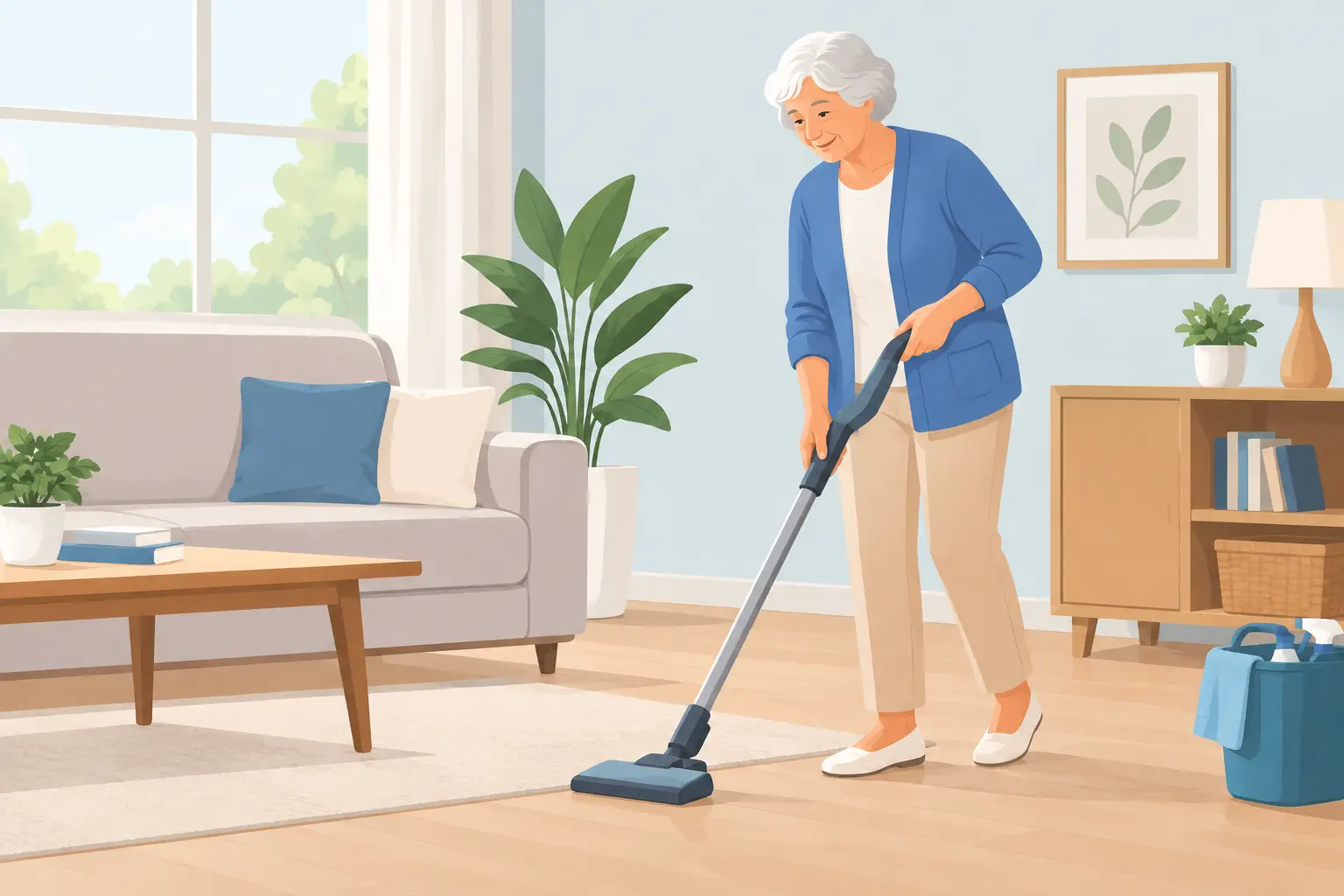
Light Housekeeping for Seniors Living at Home
A sink full of dishes or a laundry basket left untouched can feel like a small problem at first. For an older adult managing arthritis, limited mobility, recovery after surgery, or simple fatigue, those tasks can quickly affect comfort, safety, and confidence. Light housekeeping for seniors provides practical support with everyday home routines, helping the home remain a place where a loved one can feel settled, capable, and at ease.
For families, this kind of help often brings relief as well. Instead of worrying about clutter, spoiled food, or whether Mom has clean towels, adult children and spouses can spend more time simply being present with the person they love.
What Light Housekeeping for Seniors Includes
Light housekeeping is the regular, non-medical help that keeps a home tidy, functional, and safer to move around in. It is not the same as a deep-cleaning service or a major home repair visit. The focus is on the day-to-day tasks that support a comfortable routine.
A caregiver may wash dishes, wipe kitchen counters, take out trash, sweep frequently used areas, make the bed, change linens, do laundry, dust reachable surfaces, and organize commonly used items. They may also help keep bathrooms neat and reduce clutter in walkways. When combined with meal preparation, grocery shopping, or errands, these small tasks can make daily life feel much more manageable.
The right tasks depend on the person and the home. Someone recovering from a procedure may need extra help with laundry and meal cleanup for a few weeks. Another senior may be doing well independently but appreciate regular assistance with floors, linens, and kitchen upkeep. Personalized support respects what a person can and wants to do for themselves while offering a helping hand where it matters most.
Why a Tidy Home Matters So Much
A clean home is about more than appearances. It can play a meaningful role in safety, health, routine, and emotional well-being.
Cluttered floors, loose items on stairs, overflowing laundry, and trash left too long can all create unnecessary risks. For seniors who use a walker, cane, or wheelchair, clear paths are especially valuable. A caregiver can notice concerns during normal housekeeping and help keep high-traffic areas open and easier to navigate.
A maintained kitchen also makes it easier to prepare and enjoy meals. Clean counters, washed dishes, and a refrigerator checked for outdated food can support better routines around eating. For a loved one who has lost interest in cooking after an illness or loss, a fresh and orderly kitchen can make mealtimes feel less overwhelming.
There is an emotional side, too. Many people take pride in their homes and may feel embarrassed when housekeeping becomes difficult. Accepting help can be sensitive, particularly for someone who has spent a lifetime caring for others. Respectful assistance preserves dignity by treating the home as the person's space, not a project to take over.
The Difference Between Light Housekeeping and Deep Cleaning
Understanding the scope of care helps families choose support that fits their needs. Light housekeeping generally covers routine upkeep during a caregiving visit. It may include wiping down used surfaces, vacuuming or sweeping accessible areas, tidying rooms, laundry, and keeping the bathroom and kitchen orderly.
Deep cleaning is more intensive. Jobs such as washing exterior windows, moving heavy furniture, scrubbing inside ovens, cleaning high shelves, addressing mold, or performing major carpet cleaning usually require a dedicated cleaning professional. Home repairs, pest issues, and heavy lifting also fall outside typical homemaker and companion care.
This distinction does not make light housekeeping any less valuable. In fact, consistent attention to routine tasks can prevent a home from reaching the point where a major cleanup is needed. It also gives a caregiver an opportunity to see when a household need has changed and let the family know.
When It May Be Time to Add Help at Home
Families often wait until a loved one has a fall, a hospital stay, or a noticeable decline before looking for support. Sometimes, however, the early signs are quieter. The home may be less organized than usual, unopened mail may pile up, or a once-careful cook may rely only on packaged food because the kitchen feels difficult to manage.
Consider whether your loved one is regularly leaving chores unfinished, avoiding certain rooms because of clutter, wearing the same clothes because laundry is hard to keep up with, or feeling tired after basic cleaning tasks. You may also notice that family members are spending their own evenings and weekends cleaning, shopping, and coordinating meals rather than enjoying meaningful time together.
Needing help does not mean someone has lost their independence. Often, it is the support that allows them to keep it. A few hours of dependable assistance each week can reduce strain without disrupting familiar routines.
Creating a Housekeeping Routine That Feels Respectful
The best care plans begin with conversation. Ask what tasks feel most difficult, what parts of the home matter most, and how your loved one prefers things done. Some people want the bed made a particular way or like their kitchen items kept in familiar places. Those preferences deserve attention.
It also helps to start with priorities. Safety-related tasks may come first, such as clearing pathways and taking out trash. From there, the routine can include laundry, dishes, meal cleanup, linens, and general tidying. A plan can change over time as health, energy, and family schedules change.
Consistency matters. When the same caregiver visits regularly, they become familiar with the home and the person's preferences. That familiarity can make support feel less intrusive. It also creates a trusted source of companionship during ordinary moments, whether folding towels together, talking while lunch is prepared, or simply sharing conversation over a cup of coffee.
How Homemaker Care Can Support the Whole Household
Light housekeeping works best when it is part of a broader approach to daily living. A caregiver who helps prepare a simple meal can clean up afterward. A grocery shopping visit can include putting food away and checking that staples are easy to reach. Transportation to an appointment can be followed by a return home to a neat kitchen and a prepared lunch.
This connected support is especially helpful for families balancing work, children, distance, or their own health needs. Rather than trying to coordinate multiple small services, families can build a schedule around the help their loved one actually needs. Some households need short visits a few days a week. Others benefit from longer companionship visits that include meals, errands, and home upkeep.
For seniors in Pinellas County, GeoJas Home Care Agency LLC can begin with a free in-home visit to understand the household, listen to family concerns, and create a heart-centered care plan around everyday needs. The goal is not to impose a standard package. It is to provide dependable, non-medical support that feels personal and practical.
A Home That Continues to Feel Like Home
The value of light housekeeping is often found in the details: fresh sheets at bedtime, a clear walkway to the bathroom, clean dishes ready for breakfast, and a living room that feels welcoming when family comes by. These are ordinary comforts, but they can make a significant difference for someone trying to remain at home.
If household tasks are becoming a source of stress, asking for help can be a caring next step. A little regular support can protect energy for the things that matter most: favorite routines, familiar surroundings, meaningful conversations, and time with the people who make home feel like home.
Comments