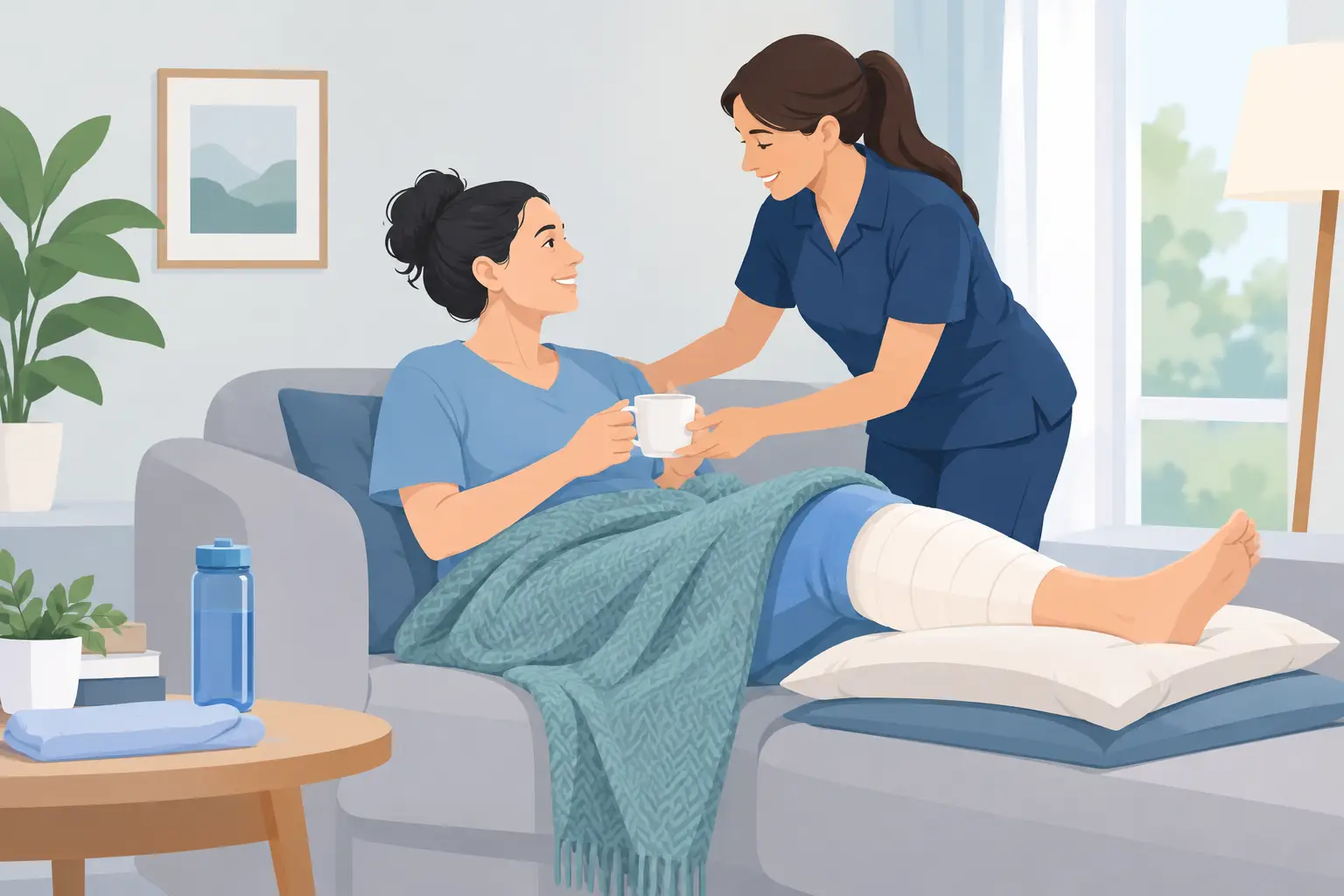
Post Surgery Home Assistance That Eases Recovery
Coming home after surgery can feel like a relief until the everyday tasks begin. A person who was independent before a procedure may suddenly need help reaching the kitchen, preparing a meal, getting to a follow-up appointment, or simply having someone nearby while they regain their strength. Post surgery home assistance gives recovering adults and their families practical, caring support during this in-between time.
For many families in Pinellas County, the challenge is not a lack of love or willingness to help. It is the reality of work schedules, distance, household responsibilities, and the uncertainty that can follow a hospital or outpatient surgery. Thoughtful non-medical help at home can make recovery feel safer, calmer, and less isolating.
What Post Surgery Home Assistance Can Provide
Surgery recovery is rarely limited to resting in bed. Even when a doctor says someone can return home, that person may have temporary restrictions on lifting, driving, bending, standing for long periods, or using stairs. Pain medication and fatigue can also make ordinary routines more difficult than expected.
Non-medical in-home assistance focuses on the day-to-day needs that help a recovering person remain comfortable at home. This may include light housekeeping to reduce clutter and trip hazards, laundry, grocery shopping, prescription pickups, and preparing meals that are easy to enjoy while appetite and energy are still returning.
Companionship is equally meaningful. A caregiver can spend time talking, playing a game, sharing a meal, or simply being present while a loved one rests. For a senior recovering alone, regular visits can bring reassurance and help prevent the long, quiet days after surgery from becoming lonely.
Transportation support can also remove a major worry. Many procedures come with a temporary no-driving instruction, yet follow-up appointments, pharmacy visits, and errands still need to happen. Having dependable transportation allows the recovering person to keep medical appointments without placing the full responsibility on a family member.
The Difference Between Non-Medical Help and Skilled Care
Knowing what kind of support is needed is one of the first decisions families face. Non-medical home care is well suited for assistance with household tasks, meals, errands, transportation, companionship, and help maintaining a comfortable daily routine.
It does not replace clinical care. Services such as wound treatment, injections, physical therapy, medication administration, or medical assessments should be handled by the appropriate licensed medical professional. A surgeon, discharge planner, nurse, or primary care provider can explain whether skilled nursing, therapy, or another clinical service is needed after a procedure.
In many situations, families use both types of support. A home health clinician may address medical needs during scheduled visits, while a non-medical caregiver helps with the practical parts of life between those visits. The right arrangement depends on the surgery, recovery instructions, mobility level, and the support already available at home.
When Families Should Arrange Help
The best time to plan for help is before surgery whenever possible. A little preparation can prevent stressful decisions during discharge, when everyone is tired and focused on getting home.
Consider arranging post surgery home assistance when a loved one will be returning home alone, has limited mobility, cannot drive, or will need to avoid lifting and strenuous activity. Support can also be helpful when the family caregiver lives out of town, works during the day, or is already balancing several responsibilities.
Even a relatively routine procedure can be harder on an older adult. Recovery can take longer than expected, especially when pain, poor sleep, weakness, or changes in appetite are involved. A few hours of support may be enough for one person, while another may benefit from regular visits for several weeks. Care should fit the person, not a standard package.
Preparing the Home for a Safer Return
A safe recovery begins with the home environment. Before the person returns, walk through the spaces they use most often and look for small obstacles that could become big problems when mobility is limited.
Clear walkways of loose cords, small rugs, stacks of papers, and low furniture that is easy to bump into. Place frequently used items within easy reach so there is less bending, stretching, or climbing. A phone, water, medications as directed by the medical team, and other essentials should be near the bed or favorite chair.
The kitchen deserves attention as well. Stock simple foods that support the dietary guidance provided by the doctor, and make sure there are easy-to-reheat meals available. If standing at the stove is not realistic, meal preparation assistance can help a loved one eat regularly without overexerting themselves.
Bathrooms are another common concern. Families may need to add equipment recommended by the care team, such as grab bars, a shower chair, or a raised toilet seat. A caregiver can help keep the space tidy, bring fresh towels, and make sure necessities are available, but any questions about safe transfers or bathing restrictions should go to the medical provider.
A Care Plan Should Reflect the Person, Not Just the Procedure
Two people can have the same surgery and need very different kinds of help. One person may be eager to manage most tasks independently but need a ride to appointments and help with groceries. Another may need companionship, meal preparation, household support, and someone to check in consistently while family members are at work.
A personalized plan starts by discussing the real routine at home. What time does the person usually wake up? Do they need help getting meals ready? Are there pets to consider? Is there a follow-up appointment already on the calendar? Does the family need support for a few mornings, a daily visit, or flexible hours as recovery changes?
At GeoJas Home Care Agency, a free in-home visit helps families look at these details with a caring, practical perspective. The goal is to understand the home, the recovery plan, and the family’s concerns before creating support that feels useful and respectful.
Helping Without Taking Away Independence
A loved one may feel frustrated when they cannot do what they normally do. This is especially true for older adults who have spent years managing their own homes, driving themselves, and caring for others. Good assistance does not mean taking over every task.
It means helping where help is needed and encouraging independence where it is safe. A caregiver might prepare ingredients so the person can participate in making lunch, handle the heavy laundry basket while the client folds towels, or provide a ride while allowing the client to remain involved in scheduling and decisions.
This balance protects dignity. It also helps families avoid pushing a recovering loved one to do too much too soon. Rest and support are not signs of weakness. They are part of giving the body time to heal.
Questions to Ask Before Choosing In-Home Support
Before arranging care, families should be clear about what the provider can do, how schedules work, and how the plan can change if recovery takes longer than expected. It is also helpful to ask whether the agency can coordinate care around follow-up appointments, grocery needs, and the times of day when help is most needed.
Ask about the caregiver matching process and how the agency communicates with family members. Consistency can be especially comforting after surgery, when a familiar face and reliable routine can make the home feel more secure.
Families should also talk openly about payment. Many non-medical home care services are private pay, though some long-term care insurance policies may provide benefits. Understanding the arrangement early helps everyone focus on recovery rather than last-minute logistics.
Recovery does not have to mean that one family member carries every meal, errand, ride, and worry alone. The right support can give a recovering loved one comfort at home while giving the family room to be present as family, too.
Comments